
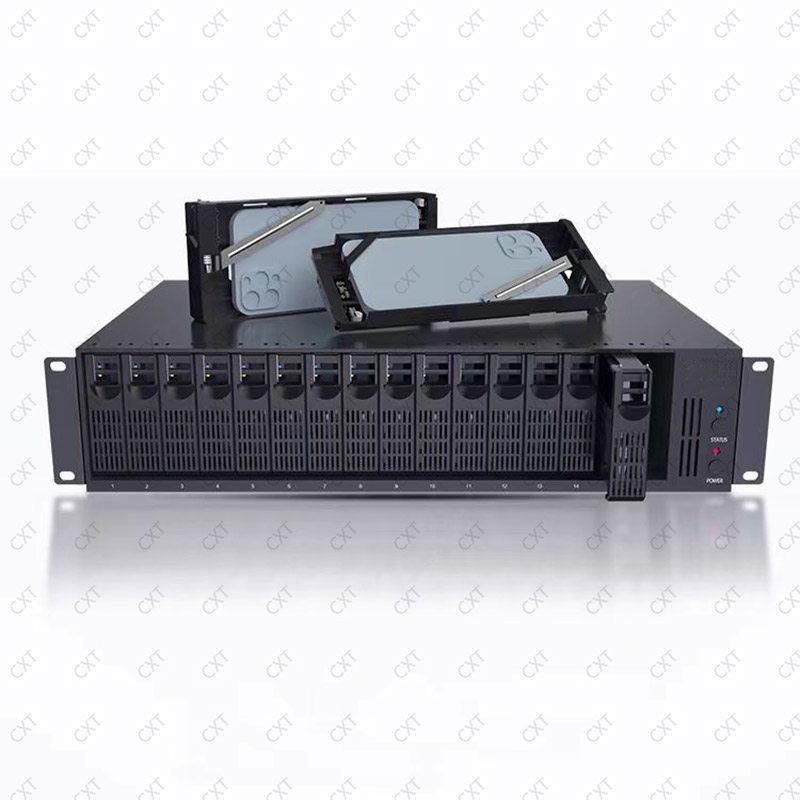
Phone Farming Machine Design: Balancing Device Density, Power, and Accessibility
Every phone farming machine design comes down to the same tension – pack in more devices, and you fight heat and cable chaos; leave more room per device, and you sacrifice capacity. Getting that balance right is really the whole engineering problem, and most of the visible failures in poorly built setups trace back to someone leaning too hard toward density without solving for the other two.
Why Density Alone Doesn’t Make a Good Machine
It’s tempting to judge a rack purely by how many devices it fits, but a unit crammed with phones or motherboards that overheats within an hour isn’t actually more capable than one holding fewer devices reliably. Real capacity means sustained operation over hours or days, not a headline number that only holds up during a quick demo. A well-designed machine sacrifices a bit of raw density in exchange for airflow paths that keep every device within safe operating temperature, even during the busiest testing or automation runs.
Power Distribution Is Where a Lot of Designs Fall Apart
Running dozens of devices simultaneously puts real strain on power delivery, and this is where cheaper builds tend to show their limits first. A few things separate a machine that holds up from one that doesn’t:
- Power rails rated for full continuous load, not just peak burst capacity
- Individual device fusing or protection, so one faulty unit doesn’t take down the whole rack
- Stable voltage delivery even as device count scales up within the same enclosure
- Enough headroom built in that adding a few more devices later doesn’t push the system past its limits
Skipping on power design tends to surface as random device resets or unstable charging cycles – problems that look like device faults but are actually rooted in the machine’s own electrical design.
Accessibility Matters More Once the Machine Is Actually Running
A rack that looks great on a spec sheet but requires disassembly every time a device needs resetting becomes a maintenance burden fast. Good design keeps ports, connectors, and individual device slots reachable without pulling the whole unit apart. This matters even more in an automated phone farm machine, where devices are expected to run largely unattended and any manual intervention needed should be quick rather than requiring a full teardown.
A few accessibility details worth checking in any design:
- Front-facing or clearly labelled ports so a specific device can be identified and accessed quickly
- Slide-out or modular trays rather than fixed mounts that require full disassembly for a single swap
- Enough spacing between devices that a technician can actually reach the unit that needs attention
Cooling Has to Work at the System Level, Not Just Per Device
Individual device heat is only part of the picture – the real challenge is how heat behaves across the entire enclosure once dozens of units are running together. Airflow needs to move consistently from intake to exhaust without creating dead zones where heat pools around devices in the middle of a rack. This is one of the areas where generic electronics racking tends to fail, since it wasn’t designed with this specific heat load and device arrangement in mind.
What Separates a Genuinely Automated Setup
A phone farming machine built for real automation work needs to support extended, largely hands-off operation. That means the mechanical and electrical design has to anticipate problems before they happen rather than requiring constant supervision. Reliable power delivery, consistent cooling, and accessible maintenance points all feed into this – a machine that needs frequent manual intervention isn’t really automated, regardless of what software is managing the devices on top of it.
Getting the Balance Right in Practice
None of these three factors, density, power, accessibility, work well in isolation. A design that maximises one at the expense of the others tends to create problems that only show up once the machine is actually under sustained load, not during initial testing. CXT Factory builds its enclosures with this balance specifically in mind, rather than optimising purely for device count and leaving power and access as afterthoughts.
Getting this right at the design stage saves considerably more time and cost than retrofitting a machine that looked good on paper but couldn’t hold up once it was actually running at scale.